Test a room layout with paper furniture shapes
A small paper plan lets you compare arrangements before moving heavy furniture or discovering that a door no longer opens comfortably.
Practical ways to organize rooms, belongings and household routines.
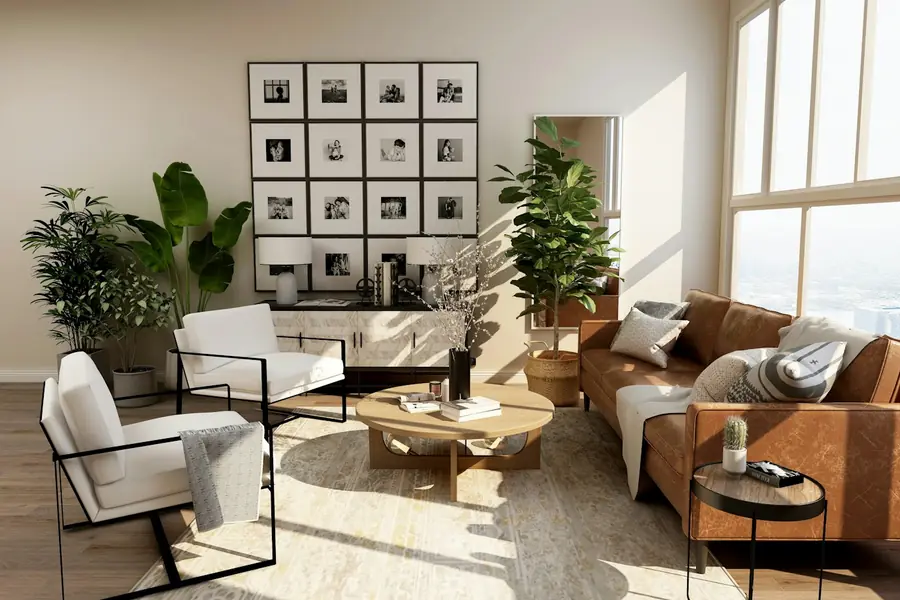
A small paper plan lets you compare arrangements before moving heavy furniture or discovering that a door no longer opens comfortably.
A simple box index lets you find an ordinary household item without opening every carton after a move.
A labelled spare-parts packet is useful only when you can connect every piece to a specific item of furniture later.
A basket needs space to move as well as space to sit, so measure the shelf opening before choosing one.
Build each laundry load around instructions the garments can share, then check colour and fabric considerations within that group.
Sorting containers by a verified fit makes it easier to put food away without searching through a loose stack of lids.
Use suitable mats and coasters, remove trapped grit and check contact points before everyday objects leave avoidable marks.
Store clean, dry clothing in useful groups, with a simple contents list that saves unpacking every container next season.
Keep sheets and pillowcases together, label the bed size and rotate clean sets so a change of linen needs less searching.
Organize a single drawer by frequency and purpose, with simple dividers and a closing test that prevents an overfilled result.